
Voice Search Optimization: Smart Strategies to Strengthen Your Online Visibility
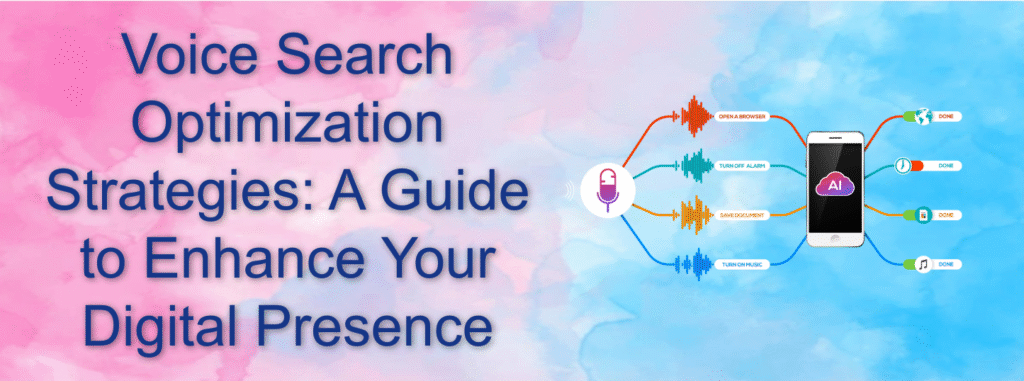
The way people search online is changing fast. Instead of typing keywords into search bars, users are now speaking directly to their devices. From smartphones to smart speakers like Alexa, Siri, and Google Assistant, voice technology has become part of everyday life. For businesses, this shift means one thing — adapting your digital strategy for voice search is no longer optional.
This guide explains how voice search works and shares practical strategies to help your website stay visible in voice-driven search results.
What Does Voice Search Optimization Mean?
Voice search optimization is the process of shaping your content so it matches how people naturally speak when asking questions online. Spoken searches are longer, more conversational, and usually phrased as full sentences.
For example, instead of typing “best café Delhi,” a user might ask,
“Which café serves the best coffee near me?”
Optimizing for these conversational patterns helps search engines understand and recommend your content more effectively.
Why Voice Search Matters More Than Ever
Voice search is growing because it offers speed, convenience, and hands-free access to information. Here’s why it deserves your attention:
Smart devices are everywhere: Homes, cars, and offices now rely on voice assistants.
Faster search experience: Speaking is quicker than typing on small screens.
Mobile usage keeps rising: Most voice searches happen on smartphones.
Local intent is strong: Users often look for nearby services using voice commands.
Ignoring voice search means missing out on a rapidly expanding audience.

Effective Voice Search Optimization Techniques
1. Write the Way People Speak
Use natural language in your content. Focus on full phrases and everyday speech instead of robotic keywords.
Example:
Instead of “cheap hotels Agra,” write
“Where can I find affordable hotels in Agra?”
2. Answer Common Questions Clearly
Voice searches usually start with who, what, where, when, why, and how. Create content that directly answers these questions in short, clear responses.
3. Strengthen Local SEO
Many voice searches are location-based. Keep your business details accurate on Google Business Profile, including address, phone number, working hours, and reviews.
4. Aim for Featured Snippets
Voice assistants often read answers from featured snippets. Use concise paragraphs, bullet points, and headings to increase your chances of appearing there.
5. Optimize for Mobile Performance
Your website must load fast and display perfectly on mobile devices. A slow or broken mobile experience reduces your visibility in voice results.
6. Improve Website Speed
Quick loading pages improve user experience and ranking. Compress images, reduce unnecessary scripts, and use reliable hosting.
7. Use Structured Data
Schema markup helps search engines understand your content better, increasing the chances of appearing in voice responses.
8. Support Multiple Languages
If your audience speaks more than one language, optimize content accordingly. Voice searches often happen in local dialects and regional languages.
9. Track User Behavior
Analyze voice-related queries using tools like Google Search Console. Identify patterns and update content based on real user intent.
10. Keep Content Fresh
Search engines favor updated content. Refresh older pages regularly to maintain relevance.
What Lies Ahead for Voice Search
As artificial intelligence improves, voice assistants will become more accurate, conversational, and predictive. Businesses that adapt early will enjoy stronger visibility and better engagement in the future digital ecosystem.
Final Thoughts
Voice search is reshaping how users interact with the internet. Businesses that align their content with natural speech patterns, mobile performance, and local intent will gain a clear advantage. By implementing these strategies today, you position your brand for long-term digital success.
USEFUL LINKS:
https://www.wsiworld.com/blog/the-rise-of-voice-search-optimizing-your-seo-content-for-the-future
https://digitalmarketinginstitute.com/blog/prepare-for-the-future-of-voice-search
https://digitalmarketinginstitute.com/blog/prepare-for-the-future-of-voice-search
https://content-whale.com/blog/how-to-optimise-for-voice-search/
https://neilpatel.com/blog/seo-for-voice-search/