
How to Optimize Category Pages for Better Rankings
Introduction
Category pages are vital for both search engines and users, especially on eCommerce and content-heavy websites. They help organize products or articles into meaningful sections, making it easier for visitors to navigate and find what they are looking for. When optimized properly, category pages can attract high-intent organic traffic, enhance user experience, and significantly improve conversion rates. A well-structured category page also helps search engines better understand your site’s hierarchy and relevance.
Optimizing URL Structure
A clean and descriptive URL structure plays a key role in category page optimization. URLs should clearly reflect the category name and include relevant keywords while avoiding unnecessary numbers or parameters. Simple and readable URLs improve crawlability for search engines and make it easier for users to understand where they are on the website, increasing trust and click-through potential.
Using Keyword-Rich Titles and Meta Descriptions
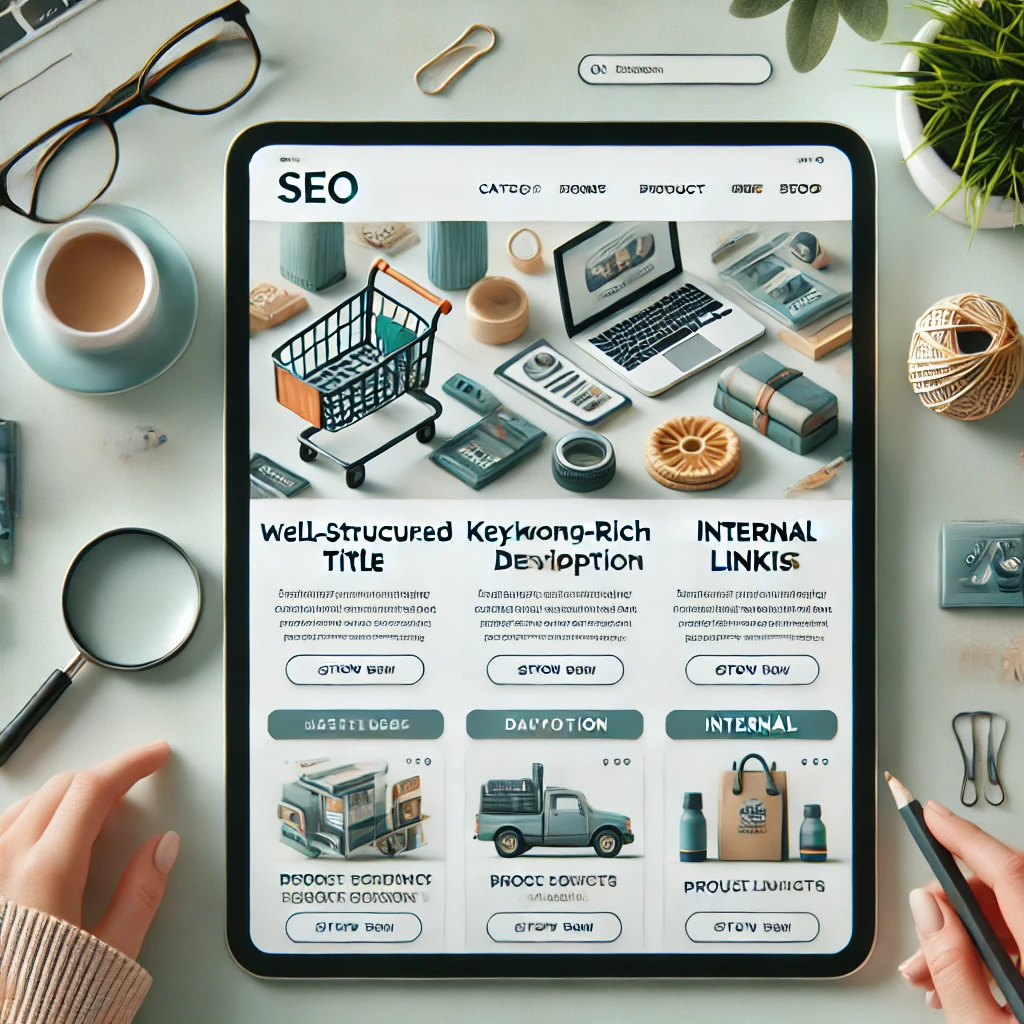
Page titles and meta descriptions are critical elements for search visibility and user engagement. A well-optimized title should naturally include primary keywords while clearly describing the category. Meta descriptions should provide a concise summary of what users can expect on the page, encouraging them to click from search results. Unique and compelling metadata helps improve click-through rates and avoids duplication issues.
Creating Unique and Engaging Category Content
Adding original content to category pages helps prevent thin or duplicate content problems. A strong category description explains the type of products or topics covered and highlights their benefits. This content should be written for users first, using keywords naturally while providing helpful context that supports informed decision-making and improves relevance for search engines.
Strengthening Internal Linking
Internal linking helps search engines understand the relationship between categories, subcategories, and individual pages. By linking related categories and featured items within category descriptions, websites can improve crawl efficiency and distribute authority across important pages. At the same time, internal links guide users smoothly through the site, enhancing navigation and engagement.
Improving Page Speed and Mobile Usability
Fast-loading and mobile-friendly category pages are essential for better rankings and user satisfaction. Since category pages often include multiple images and listings, optimizing image sizes, minimizing unnecessary scripts, and ensuring responsive design are crucial. A smooth mobile experience reduces bounce rates and keeps users engaged, especially as mobile browsing continues to dominate.
Implementing Structured Data
Structured data helps search engines better interpret category page content and enhances how pages appear in search results. By using schema markup, websites can display additional details such as ratings, prices, and availability directly in search listings. This improves visibility, credibility, and click-through rates while supporting stronger SEO performance.
Optimizing Images and Alt Text
Images add visual appeal to category pages, but they must be optimized for search engines as well. Using descriptive alt text allows search engines to understand image content while improving accessibility for users. Properly optimized images contribute to better page relevance and can also drive traffic through image search results.
Encouraging User Engagement and Reviews
User-generated content such as reviews, ratings, and questions adds trust and freshness to category pages. Search engines consider engagement signals when evaluating content quality, and users are more likely to explore categories that show real feedback. Encouraging interaction improves credibility and supports long-term ranking growth.
Using Breadcrumb Navigation
Breadcrumb navigation improves usability by showing users their location within the website structure. It also helps search engines understand page hierarchy and relationships. Well-implemented breadcrumbs enhance internal linking, improve user experience, and may appear in search results, increasing clarity and click appeal.
Monitoring and Updating Category Pages
Category page optimization is not a one-time task. Regular performance monitoring, content updates, and keyword refinements are necessary to stay competitive. Updating descriptions, refreshing internal links, and aligning content with current search trends ensures category pages continue to perform well and deliver consistent organic traffic.
Conclusion
Optimizing category pages requires a balanced approach that combines technical SEO, content quality, and user-focused design. By improving URLs, metadata, content depth, internal linking, performance, and engagement elements, category pages can become powerful assets for search visibility. Consistent optimization ensures better rankings, higher traffic, and improved conversions over time.
