
The Impact of AI on Content Curation and Creation
Introduction
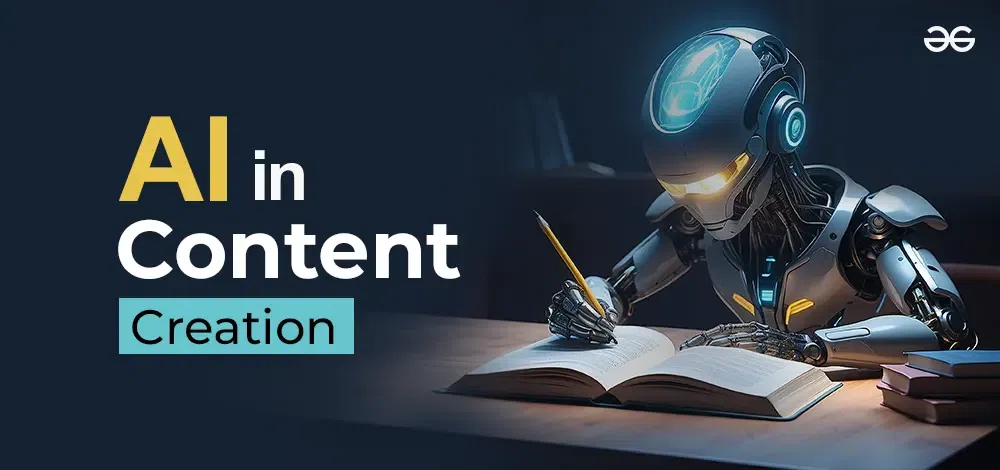
In today’s digital world, the sheer volume of online content can be overwhelming for both creators and audiences. Marketers, media organizations, and businesses face the dual challenge of identifying relevant material and producing high-quality content that resonates with their target audience. Artificial Intelligence (AI) has emerged as a pivotal solution, helping organizations streamline these processes while enhancing audience engagement.
How AI Shapes Content Strategies
AI is revolutionizing content creation and curation by optimizing workflows, personalizing experiences, and improving engagement metrics. Through technologies such as machine learning, natural language processing (NLP), and deep learning, AI automates repetitive tasks, predicts audience preferences, and refines content delivery strategies. This enables businesses to craft content that is both relevant and timely, increasing efficiency and impact.
AI in Content Curation
1. Automated Content Aggregation
AI algorithms can scan vast amounts of online material, including blogs, news portals, and social media feeds. These systems identify trending topics, extract key insights, and summarize information, allowing content managers to save time and focus on strategy rather than manual research.
2. Personalized Recommendations
AI-driven recommendation engines analyze user behavior, browsing history, and engagement patterns to suggest content that aligns with individual preferences. Platforms like Netflix, YouTube, and Spotify leverage these systems to enhance user experience and boost interaction.
3. Trend and Topic Analysis
By monitoring social media conversations, search trends, and online forums, AI can pinpoint emerging topics. Content creators can use these insights to develop timely, relevant material that aligns with audience interests.
4. Sentiment Analysis and Audience Understanding
AI tools can evaluate user sentiment by analyzing comments, reviews, and social media interactions. Understanding audience emotions and preferences helps businesses curate content that resonates more effectively with their target demographic.
AI in Content Creation
AI doesn’t just curate content—it can generate it as well. Advanced AI models, including Generative Pre-trained Transformers (GPT) and other deep learning frameworks, produce text, visuals, and videos that closely mimic human output. Key applications include:
1. AI-Assisted Writing
Tools like OpenAI’s GPT models and Grammarly help writers produce high-quality content, ranging from blog posts to social media updates. They assist with grammar, tone, and style and can even generate complete drafts based on user prompts.
2. Automated Article Production
AI-powered journalism tools can generate news summaries, financial reports, sports updates, and weather forecasts with minimal human intervention, helping media organizations scale content output efficiently.
3. Visual and Video Content Creation
AI platforms such as Canva and Adobe Sensei assist in creating graphics, infographics, and videos. These tools streamline video editing, suggest design enhancements, and even generate captions, making content production faster and more creative.
4. Conversational Interfaces
AI-driven chatbots and voice assistants utilize NLP to provide real-time, personalized interactions. They automate customer communication, deliver information efficiently, and create dynamic conversational content that enhances user engagement.
Benefits of AI in Content Strategies
Enhanced Efficiency – AI automates time-consuming tasks, allowing creators to focus on creative and strategic work.
Personalized Experiences – AI ensures users receive content tailored to their preferences, improving engagement and retention.
Consistency and Scalability – Businesses can produce large volumes of quality content without sacrificing consistency.
Cost Optimization – Reducing reliance on extensive human resources lowers production costs while maintaining quality.
Data-Driven Insights – AI analytics provide actionable insights, enabling better-informed content strategies.
Best Practices for Integrating AI in Content
Choose the Right Tools – Select AI platforms that align with your content goals, whether for writing, recommendation, or design.
Maintain Quality and Authenticity – Human oversight ensures AI-generated content remains accurate, creative, and brand-aligned.
Balance Automation with Human Creativity – While AI handles repetitive tasks, humans must guide storytelling and strategic decisions.
Continuously Monitor Performance – Track the effectiveness of AI-driven content and refine approaches based on engagement metrics.
Follow Ethical Guidelines – Ensure AI content is unbiased, transparent, and respects user privacy in accordance with data protection standards.
Conclusion
AI is reshaping the way organizations curate and create content, enabling highly personalized, high-quality material at scale. By automating discovery and production while preserving human creativity, AI improves efficiency, engagement, and overall audience experience. The successful integration of AI in content strategies requires a thoughtful balance between automation, human input, and ethical practices. As AI continues to evolve, it will play an increasingly vital role in defining the future of digital media and marketing.