
🌱 Sustainable Tech Solutions in 2025: Innovation Meets Environmental Responsibility
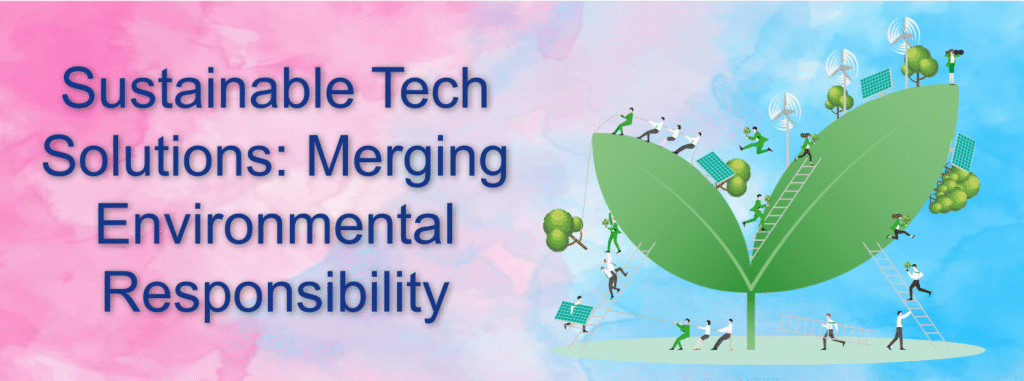
In 2025, technology and sustainability are no longer separate pursuits—they are interconnected imperatives. With climate concerns intensifying and stakeholders demanding eco-conscious practices, businesses are rethinking how they develop, deploy, and manage digital infrastructure.
From energy-efficient data centers to low-impact coding and AI-powered energy management, sustainable technology is reshaping the way organizations operate. Innovation now goes hand in hand with environmental stewardship, proving that growth and responsibility can coexist.
This article explores the top sustainable tech trends of 2025 and how businesses can adopt green practices without compromising efficiency or innovation.
🌍 Why Sustainability Matters in Technology
The tech sector has historically been a major contributor to carbon emissions and resource consumption:
Data centers consume over 3% of global electricity.
E-waste exceeded 60 million metric tons in 2023.
Cloud computing and cryptocurrency mining continue to add to the environmental footprint.
As governments, investors, and consumers demand accountability, tech companies are turning to sustainable practices that reduce environmental impact while maintaining performance and cost-effectiveness.
🌟 Key Sustainable Tech Solutions in 2025
1. Green Data Centers
Data centers are being redesigned for efficiency and sustainability:
Liquid cooling systems to reduce energy use
Integration of renewable energy sources (solar, wind, hydro)
AI-powered load balancing to prevent energy waste
Modular and edge data centers to minimize transmission losses
Companies like Google, Microsoft, and Amazon are aiming for carbon-negative operations in the near future.
2. Sustainable Software Development
Even software impacts energy consumption. Eco-friendly coding practices include:
Optimizing algorithms for lower processing power
Reducing unnecessary data storage and retrieval
Using lightweight frameworks and clean, efficient code
Selecting green hosting providers
The result: faster performance, lower costs, and reduced energy consumption.
3. IoT for Smart Resource Management
The Internet of Things (IoT) is enabling real-time monitoring and efficient resource usage:
Smart thermostats and automated lighting
Precision irrigation systems for agriculture
Air and water quality sensors
Waste and recycling management solutions
IoT helps organizations track consumption and reduce resource waste dynamically.
4. AI for Environmental Insights
Artificial intelligence and machine learning are becoming indispensable tools for sustainability:
Predicting and mitigating environmental risks
Optimizing renewable energy generation
Measuring and managing carbon footprints
Supporting wildlife conservation and pollution detection
AI empowers informed, eco-conscious decisions on a global scale.
⚡ Renewable Energy Integration
A major trend in 2025 is powering tech operations with renewable energy:
Solar, wind, and microgrid installations
Purchasing Renewable Energy Credits (RECs)
Encouraging suppliers to adopt green energy practices
Apple, for example, now operates all its facilities on 100% renewable energy and is actively encouraging its suppliers to follow suit.
🔄 Circular Economy and E-Waste Management
The shift to a circular economy emphasizes reuse, refurbishment, and recycling:
Designing modular, repairable hardware
Implementing device take-back programs
Using recycled materials in manufacturing and packaging
Minimizing single-use plastics
This approach extends product lifecycles and reduces environmental impact.
🌐 Green Web Hosting and Low-Impact Digital Practices
Web hosting and website design are also going green:
Selecting hosting providers that run on renewable energy
Implementing efficient caching, server load balancing, and low-carbon CDN services
Optimizing websites to reduce size, complexity, and energy consumption
These practices improve both sustainability and user experience.
🚀 How Businesses Can Adopt Sustainable Tech
Conduct a Sustainability Audit: Evaluate energy usage, emissions, and digital footprint.
Set Measurable Goals: Define targets for energy reduction or net-zero emissions.
Choose Eco-Friendly Vendors: Work with green hosting providers and sustainable hardware suppliers.
Train Teams: Encourage developers and staff to prioritize sustainable practices.
Monitor Progress: Use dashboards and reporting tools to track key sustainability metrics.
✅ Benefits of Sustainable Technology
Builds customer trust and strengthens brand reputation
Ensures compliance with regulations
Reduces costs through energy efficiency
Boosts employee engagement and retention
Opens doors to ESG investment opportunities
Sustainable practices also resonate with younger audiences, particularly Millennials and Gen Z, who prefer environmentally responsible brands.
⚠️ Challenges and Solutions
Challenges:
High initial investment
Limited renewable energy access in some regions
Resistance to operational change
Solutions:
Start with small pilot projects
Collaborate with green tech partners
Apply for government grants and incentives
Highlight long-term ROI to stakeholders
🌿 Final Thoughts
Sustainable technology in 2025 is no longer optional—it’s essential. By combining innovation with environmental responsibility, companies can reduce their footprint while driving growth and efficiency.
Whether through energy-efficient data centers, AI-driven resource management, or eco-conscious web development, every step toward sustainability matters. The future of tech is not just about advancement—it’s about creating a positive impact on the planet.
USEFUL LINKS:
https://www.splunk.com/en_us/blog/learn/sustainable-technology.html?utm_source=chatgpt.com
https://www.sganalytics.com/blog/green-technology-innovations/?utm_source=chatgpt.com