
Claymorphism
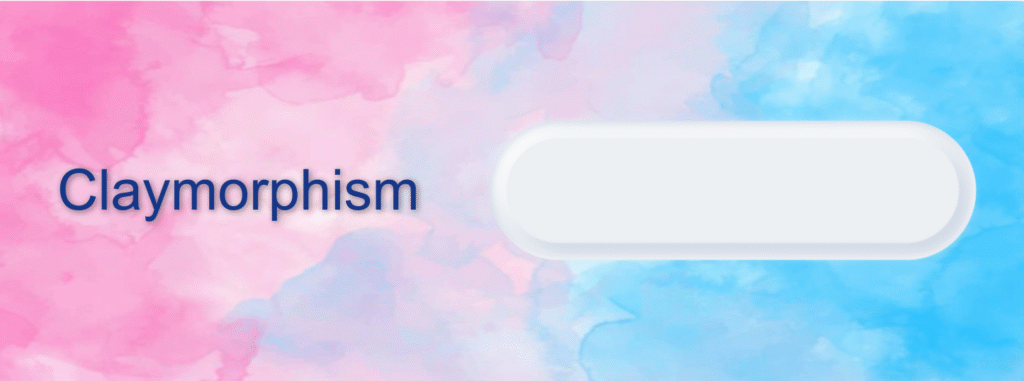
Claymorphism: A Modern Web Design Trend Redefining Digital Aesthetics
In the ever-evolving digital landscape, designers and developers are embracing claymorphism, a rising trend in web design. This unique approach is characterized by soft, rounded visuals that mimic clay-like textures and forms, offering a playful yet sophisticated aesthetic. This article explores the origins, principles, benefits, and practical applications of claymorphism in web design, making it a must-read for anyone interested in modern web design trends.
What is Claymorphism?
Claymorphism originates from the broader neumorphism trend that gained popularity in the early 2020s. Neumorphism combined skeuomorphic and flat design elements by using subtle shadows and highlights to create depth. However, due to accessibility challenges and insufficient contrast, designers sought alternatives, leading to the rise of It.
It builds upon neumorphism’s concepts by incorporating vibrant colors, bold shadows, and rounded edges. The result is a design language that balances minimalism and skeuomorphism, offering visually engaging yet accessible interfaces.
Key Principles of Claymorphism
- Soft Shapes and Rounded Edges
- Claymorphism is defined by its smooth, cushion-like shapes and rounded corners, evoking the tactile sensation of molded clay.
- Vibrant Colors and Gradients
- Bright, lively colors are integral to claymorphic designs, with gradients enhancing depth and adding a dynamic, three-dimensional effect.
- Exaggerated Shadows
- Pronounced shadows are key to creating depth, making elements appear either elevated above the screen or pressed into it.
- Minimalist Aesthetic
- Despite its whimsical nature, claymorphism adheres to a minimalist philosophy, avoiding visual clutter.
- Interactive Features
- Micro-interactions like hover effects and subtle animations boost user engagement, creating dynamic interfaces.
Benefits of Claymorphism in Web Design
- Enhanced Visual Appeal
- Claymorphism’s soft and vibrant aesthetics captivate users and make websites memorable.
- Improved User Experience
- Its tactile design approach makes interfaces intuitive and enjoyable to navigate.
- Versatility Across Industries
- It is adaptable for various contexts, from child-friendly websites to professional platforms.
- Timeless Yet Modern Design
- Its organic and approachable nature ensures lasting relevance.
- Distinct Brand Identity
- Brands using claymorphism stand out in a crowded digital space with a unique visual identity.
Practical Applications of Claymorphism
- Portfolio Websites
- Perfect for showcasing creative work in a visually engaging manner.
- E-Commerce Platforms
- Creates a welcoming, user-friendly shopping experience.
- Educational Tools
- Ideal for child-focused applications, offering a fun and interactive learning environment.
- Corporate Websites
- Adds modernity and approachability, helping brands connect personally with audiences.
Challenges and Considerations
While it offers many benefits, it comes with certain challenges:
- Performance Concerns
- Heavy use of shadows, gradients, and animations can slow loading times. Optimization is essential.
- Overuse of Effects
- Excessive claymorphic elements may cause visual clutter and reduce usability.
- Accessibility Issues
- Designs must meet accessibility standards, ensuring sufficient contrast and clear navigation.
- Steep Learning Curve
- Mastering claymorphism requires understanding design principles and tools like Figma, Adobe XD, and Sketch.
Best Practices for Implementing Claymorphism
- Use Design Tools Effectively
- Tools like Figma and Sketch help craft claymorphic designs with rounded shapes, gradients, and shadows.
- Experiment with Colors and Gradients
- Choose vibrant colors and harmonious gradients that reflect your brand identity.
- Refine Shadow Techniques
- Combine inner and outer shadows to achieve the desired depth and dimensionality.
- Incorporate Micro-Animations
- Use CSS and JavaScript to add subtle animations for an interactive user experience.
- Ensure Accessibility
- Maintain adequate contrast, provide alternative text for images, and ensure compatibility with screen readers.
The Future of Claymorphism
As web design trends evolve, it is poised to play a significant role in shaping digital interfaces. Its ability to blend modern aesthetics with user-friendly design makes it an appealing choice for brands and designers alike. By addressing challenges and maximizing its advantages, it can lead to the creation of more engaging and memorable online experiences.
Conclusion
It transcends being just a fleeting trend. It represents a shift towards more tactile, engaging, and user-centered design. As designers and developers continue to explore its possibilities, we can expect innovative applications that redefine digital aesthetics and user experiences.
USEFUL LINKS:
https://blog.logrocket.com/ux-design/what-is-claymorphism-web-design
https://hype4.academy/articles/design/claymorphism-in-user-interfaces
https://hype4.academy/articles/design/claymorphism-in-user-interfaces?utm_source=chatgpt.com
https://blog.logrocket.com/ux-design/what-is-claymorphism-web-design/?utm_source=chatgpt.com
https://www.smashingmagazine.com/2022/03/claymorphism-css-ui-design-trend/?utm_source=chatgpt.com
