
Claymorphism: A Fresh Design Style Shaping Modern Websites
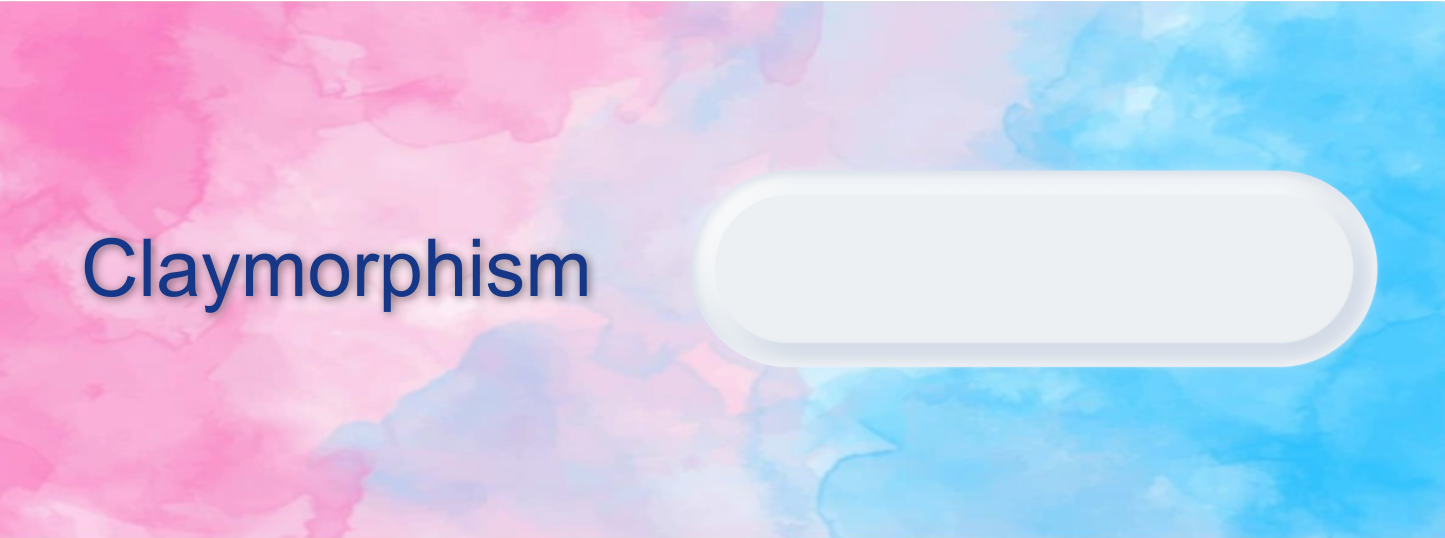
Web design trends change fast, but every once in a while a style appears that feels both refreshing and practical. Claymorphism is one such trend. It introduces soft, rounded elements that look almost hand-molded, giving interfaces a friendly and modern appearance. Instead of sharp edges and flat layouts, claymorphism brings warmth, depth, and personality into digital spaces.
Designers are increasingly using this style to create engaging interfaces that feel approachable without sacrificing professionalism.
Understanding Claymorphism
Claymorphism grew from the earlier neumorphism trend, which tried to blend realism with minimal design using subtle light and shadow effects. While neumorphism looked visually pleasing, it often struggled with readability and accessibility.
Claymorphism takes those ideas further by using brighter colors, deeper shadows, and more defined shapes. The result is a design style that feels playful yet structured, offering better visibility and stronger visual contrast while still maintaining a clean layout.
Core Elements of Claymorphic Design
Rounded and Soft Shapes
Buttons, cards, and icons often appear inflated or cushion-like, creating a smooth and friendly visual experience.
Bold Colors and Gradients
Rich color palettes and smooth gradients give depth and help elements stand out clearly.
Strong Shadow Effects
Shadows are intentionally more noticeable, making components appear lifted or pressed into the surface.
Clean Layouts
Even with its creative appearance, claymorphism avoids clutter and keeps spacing balanced.
Interactive Motion
Hover effects and small animations add life to the interface and improve user engagement.
Why Designers Are Adopting Claymorphism
Striking Visual Appeal
The soft textures and vibrant colors instantly grab attention and leave a lasting impression.
User-Friendly Experience
The tactile feel helps users understand clickable elements more intuitively.
Wide Usability
Claymorphism works well across many industries, from creative portfolios to educational platforms and business websites.
Modern Yet Approachable Look
It balances innovation with familiarity, making websites feel welcoming rather than overwhelming.
Strong Brand Identity
Brands using this style often stand out due to its distinctive and memorable appearance.
Where Claymorphism Works Best
Personal Portfolios
Great for showcasing creative work in a visually expressive way.
Online Stores
Soft visuals create a comfortable browsing experience for shoppers.
Learning Platforms
Engaging visuals help maintain attention, especially for younger users.
Business Websites
Adds personality while still maintaining professionalism.
Challenges to Keep in Mind
Performance Impact
Heavy visual effects can increase page load time if not optimized properly.
Visual Overload
Using too many claymorphic elements can make interfaces feel crowded.
Accessibility Balance
Designers must ensure readable text, clear contrast, and simple navigation.
Skill Requirements
Creating polished claymorphic designs takes practice with tools such as Figma, Sketch, or Adobe XD.
Tips for Using Claymorphism Effectively
Keep the design simple and avoid excessive effects.
Choose color combinations that match your brand and improve readability.
Use shadows carefully to maintain depth without overwhelming the layout.
Add small animations to improve interactivity without distraction.
Test accessibility to ensure usability for all users.
What the Future Holds
As digital interfaces continue to evolve, claymorphism is likely to grow alongside motion design and interactive experiences. With improvements in browser performance and design tools, this style may become more refined and widely adopted across mainstream platforms.
Final Thoughts
Claymorphism is more than just another design trend. It represents a shift toward warmer, more engaging digital experiences that feel human and intuitive. When used thoughtfully, it can transform ordinary interfaces into visually appealing and memorable designs that users enjoy interacting with.