
The Internet of Things: How Connected Devices Are Reshaping the Modern World
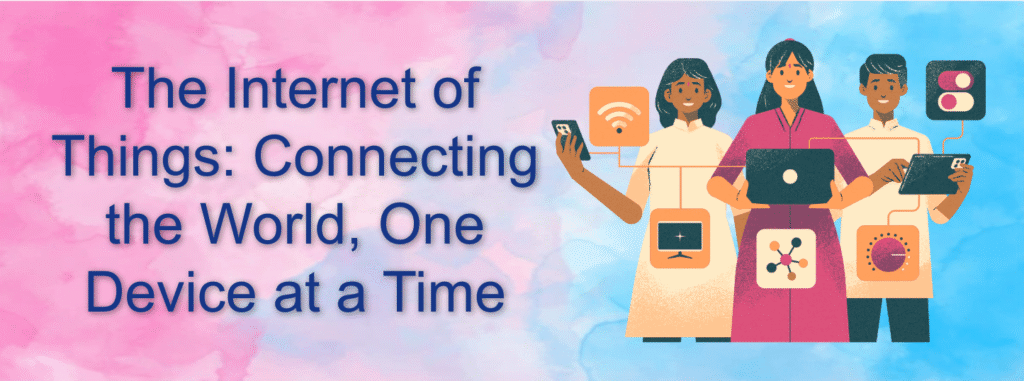
The way technology interacts with daily life has changed dramatically over the past decade, and one of the biggest drivers of this transformation is the Internet of Things (IoT). From smart watches and home automation systems to advanced industrial machinery and intelligent city infrastructure, IoT is quietly connecting the physical world to the digital one. By enabling devices to communicate, collect data, and respond intelligently, IoT is redefining efficiency, convenience, and innovation across industries.
This article takes a closer look at what the Internet of Things is, how it functions, where it is being used today, the benefits it offers, the challenges it presents, and what the future holds for this rapidly evolving technology.
Understanding the Internet of Things (IoT)
The Internet of Things refers to a vast ecosystem of physical objects embedded with sensors, software, and network connectivity that allow them to exchange data over the internet. These objects can include everyday items such as refrigerators, air conditioners, and fitness bands, as well as complex systems like factory equipment, medical devices, vehicles, and agricultural tools.
Unlike traditional computing devices, IoT expands internet connectivity to “things” that were never designed to be online. These smart devices continuously gather data from their environment, communicate with other systems, and provide insights that help automate processes, improve decision-making, and enhance user experiences.
At its core, IoT is about turning raw data into meaningful action—whether that means reducing energy usage, improving healthcare outcomes, or optimizing industrial operations.
How the Internet of Things Works
The IoT framework relies on several interconnected components working together seamlessly:
1. Devices and Sensors
IoT devices are equipped with sensors that capture real-time data such as temperature, motion, humidity, location, or biometric information. These devices can range from simple consumer gadgets to sophisticated industrial machines.
2. Network Connectivity
Once data is collected, it is transmitted through various communication channels, including Wi-Fi, Bluetooth, cellular networks, LPWAN, or satellite connections. This connectivity ensures data flows smoothly between devices and central systems.
3. Data Processing and Analytics
The collected data is analyzed either locally (on the device itself) or through cloud-based platforms. Advanced analytics, artificial intelligence, and machine learning algorithms are often used to identify patterns, detect anomalies, and generate actionable insights.
4. User Interaction and Control
Users access IoT systems through dashboards, mobile apps, or web platforms. These interfaces allow real-time monitoring, remote control, alerts, and customization based on user preferences or business requirements.
Real-World Applications of IoT Across Industries
The versatility of IoT has led to widespread adoption across multiple sectors:
1. Smart Homes
IoT technology enables home automation systems where lighting, climate control, appliances, and security devices work together intelligently. For example, smart thermostats can adjust temperatures based on occupancy patterns, helping reduce energy consumption without sacrificing comfort.
2. Healthcare and Medical Monitoring
IoT has significantly improved patient care through wearable devices and connected medical equipment. These tools track vital signs, monitor chronic conditions, and provide real-time alerts to healthcare providers, allowing faster interventions and better long-term health management.
3. Manufacturing and Industrial IoT (IIoT)
In industrial environments, IoT supports predictive maintenance, equipment monitoring, and supply chain optimization. Sensors can detect early signs of equipment failure, reducing downtime and improving overall productivity.
4. Agriculture and Smart Farming
IoT is transforming agriculture by enabling precision farming. Sensors monitor soil moisture, weather conditions, and crop health, while connected systems automate irrigation and fertilization. This data-driven approach increases yields while minimizing resource waste.
5. Smart Cities
Urban areas are increasingly adopting IoT solutions to improve infrastructure and quality of life. Applications include smart traffic management, intelligent street lighting, waste management systems, and public safety monitoring, all designed to make cities more efficient and sustainable.
6. Retail and Customer Experience
Retailers use IoT to track inventory, analyze customer behavior, and enhance in-store experiences. Smart shelves, RFID tags, and location-based notifications help businesses manage stock levels and deliver personalized offers to shoppers.
Key Benefits of the Internet of Things
IoT delivers measurable advantages for both businesses and consumers:
Improved Operational Efficiency: Automation reduces manual effort and human error
Actionable Data Insights: Real-time analytics support smarter decision-making
Cost Reduction: Optimized processes lower maintenance and operational expenses
Enhanced User Experience: Personalized and responsive systems improve satisfaction
Innovation Enablement: Opens doors to new services, products, and business models
Challenges Associated with IoT Adoption
Despite its benefits, IoT also introduces several challenges that must be addressed:
Security Threats
With countless connected devices, IoT systems are attractive targets for cyberattacks. Weak security measures can expose networks to breaches, making strong encryption and authentication essential.
Privacy Concerns
IoT devices collect vast amounts of personal and sensitive data. Ensuring proper data handling, storage, and compliance with privacy regulations is critical.
Compatibility and Standardization
Devices from different manufacturers often use different protocols, creating integration issues. Industry-wide standards are necessary for seamless interoperability.
Dependence on Connectivity
IoT systems rely heavily on stable internet connections. Network failures can disrupt operations, especially in mission-critical environments.
The Future of the Internet of Things
The growth of IoT is accelerating, supported by emerging technologies such as 5G, artificial intelligence, and edge computing.
AI-Driven IoT Systems
AI will enable smarter automation by allowing devices to interpret data, predict outcomes, and act independently—particularly valuable in healthcare, manufacturing, and security.
Edge Computing Expansion
Processing data closer to its source reduces latency and improves performance, making IoT more effective for time-sensitive applications like autonomous vehicles and industrial automation.
Advanced Wearable Technologies
Wearables will evolve beyond fitness tracking to support workplace safety, mental health monitoring, and personalized medical care.
Smarter and Greener Cities
As urban populations grow, IoT will play a vital role in managing resources efficiently, reducing pollution, and creating sustainable city ecosystems.
Conclusion
The Internet of Things is closing the gap between the digital and physical worlds, enabling smarter systems and more connected experiences. From homes and hospitals to factories and cities, IoT is reshaping how we live and work.
While challenges related to security, privacy, and interoperability remain, continued innovation and responsible implementation will unlock the full potential of IoT. For forward-thinking companies like AWARAJ, the IoT landscape presents endless opportunities to innovate, lead, and build intelligent digital solutions for a connected future.
Related Links
- What is the Internet of Things (IoT)? | IBM
- Introduction to Internet of Things (IoT) – Set 1 – GeeksforGeeks
- What Is the Internet of Things (IoT)? With Examples | Coursera
- The Internet of Things (IoT): Connecting the World One Device at a Time | by A.Z. | Towards the Singularity | Medium
- Internet of Things | Definition, History, Examples, & Privacy Concerns | Britannica
Contact Us
With over 20 years of experience, Awaraj helps businesses harness modern technologies to grow online and stay competitive.
📞 Call for a free consultation: +91-8859999459