
Web Accessibility Essentials: Making Your Site Inclusive for All Users
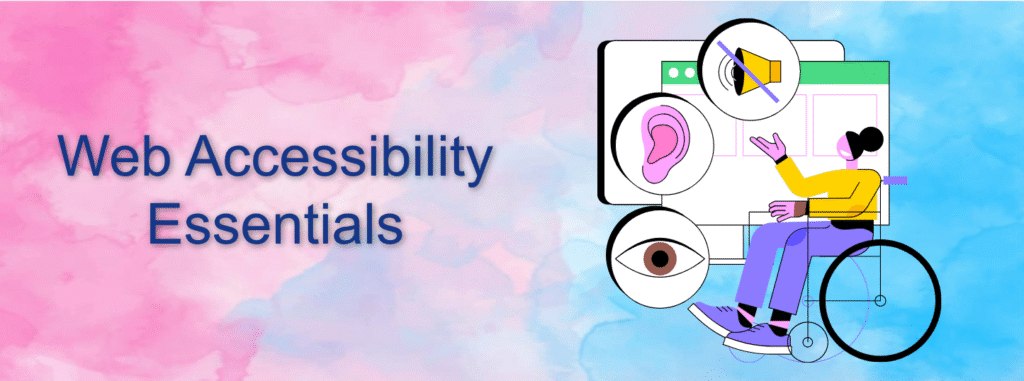
Imagine navigating a website that feels like an obstacle course. Links hidden, text unreadable, and images devoid of meaning. For many users, this is reality. Web accessibility isn’t just a buzzword; it’s essential for creating an inclusive online experience. In our digital age, every user deserves equal access to information and services.
Web Accessibility Essentials: Making Your Site Inclusive for All Users goes beyond compliance checklists and legal obligations. It taps into the core values of empathy and understanding in web design. By prioritizing accessibility, you’re not just ticking boxes; you’re paving the way for everyone to engage with your content seamlessly.
Let’s dive deeper into what web accessibility truly means and discover how you can transform your site into a welcoming space for all users—regardless of their abilities or disabilities.
Understanding Web Accessibility
Web accessibility refers to the practice of designing websites that everyone can use, including people with disabilities. This includes those who are blind, deaf, or have cognitive impairments. Accessibility ensures that all users can navigate your site effectively.
Understanding web accessibility involves recognizing the diverse needs of users. For instance, someone with visual impairment may rely on screen readers to interpret text and images. Meanwhile, individuals with hearing difficulties might need captions or transcripts for videos.
Implementing accessible design is about removing barriers rather than adding complexity. Simple adjustments like proper heading structures and alt text for images make a significant difference in usability.
Creating an inclusive online environment allows you to reach a broader audience. It’s not just good ethics; it’s smart business strategy as well.
Why Accessibility is Important for Your Website
Web accessibility is vital for creating an inclusive online environment. When your website caters to all users, you enhance their experience. This keeps visitors engaged and encourages them to return.
Moreover, accessible websites can improve your search engine ranking. Search engines favor sites that prioritize user experience, which includes accessibility features. A well-structured site attracts more traffic and better visibility.
Legal compliance is another crucial aspect. Various countries have regulations mandating web accessibility standards. Failing to comply can lead to costly lawsuits and damage to your reputation.
Embracing accessibility demonstrates social responsibility. It shows that your brand values diversity and inclusivity, fostering loyalty among customers who appreciate these principles. Making everyone feel welcome isn’t just good ethics; it’s smart business too!
Common Barriers to Accessibility
Many websites unintentionally create barriers that hinder access for users with disabilities. These obstacles can manifest in various forms.
One major issue is poor color contrast. Text that blends into the background makes it difficult for individuals with visual impairments to read content.
Another barrier arises from complex navigation structures. When menus are overly intricate or inconsistent, users may struggle to find essential information.
Additionally, multimedia content often lacks captions or transcripts, leaving those who are hard of hearing or deaf at a disadvantage.
Inaccessible forms can frustrate users relying on assistive technologies like screen readers. If labels and instructions aren’t clear, completing a task becomes daunting.
Recognizing these barriers is the first step toward creating an inclusive web experience for all individuals.
Tips for Improving Accessibility on Your Site
Improving accessibility on your site is achievable with a few thoughtful changes. Start by incorporating alt text for all images. This helps visually impaired users understand the content.
Consider your color contrast carefully. Ensure that text stands out against its background, making it easier to read for everyone, including those with visual impairments.
Use clear headings and simple language throughout your website. This not only aids navigation but also makes information more digestible.
Make sure that forms are accessible by labeling fields clearly and providing instructions where necessary. Testing these forms with screen readers can highlight any barriers.
Incorporate keyboard navigation options so users who cannot use a mouse can navigate seamlessly. Small adjustments go a long way in creating an inclusive environment for all visitors to your site.
Tools and Resources for Testing and Implementing Accessibility
When it comes to enhancing web accessibility, the right tools can make a significant difference. Automated testing software like Axe and WAVE helps identify issues quickly. These tools scan your site and highlight areas needing attention.
For more in-depth analysis, manual testing is essential. Screen readers like NVDA or JAWS allow you to experience your website as users with visual impairments would. This firsthand perspective is invaluable.
Browser extensions such as Lighthouse offer insights into performance and accessibility metrics directly within Chrome. They provide actionable recommendations that aid in making improvements.
Additionally, resources from organizations such as the World Wide Web Consortium (W3C) provide guidelines on best practices for accessible design. Familiarizing yourself with these standards can elevate your site’s inclusivity significantly.
Don’t forget about community forums where developers share tips and experiences related to accessibility challenges they’ve faced—and how they’ve tackled them effectively.
The Impact of Web Accessibility on Users
Web accessibility has a profound impact on users, shaping their online experiences significantly. For individuals with disabilities, accessible websites can mean the difference between frustration and empowerment.
When sites are designed with inclusivity in mind, everyone can navigate smoothly. This includes those who rely on screen readers, keyboard navigation, or other assistive technologies. They deserve to interact with content just like anyone else.
Moreover, an accessible site enhances usability for all. Clear layouts and intuitive designs create a more enjoyable browsing experience. Even sighted users benefit from better readability and organization.
Beyond technical advantages, web accessibility fosters a sense of community. It sends a powerful message that every visitor matters. Inclusivity builds trust and loyalty among diverse audiences.
Accessible platforms also encourage creativity by showcasing diverse perspectives in design and content creation—ultimately enriching the digital landscape for everyone involved.
The Future of Web Accessibility
The future of web accessibility looks promising as technology continues to evolve. Innovations in artificial intelligence and machine learning are paving the way for more intuitive solutions. These advances can help create websites that adapt to individual user needs, making navigation smoother and content more relatable.
As awareness grows, businesses are starting to prioritize inclusivity. More organizations recognize that a diverse audience is essential for success. This shift will push developers to embrace accessibility from the ground up rather than as an afterthought.
Regulatory changes also play a crucial role. Governments worldwide are implementing stricter guidelines, which means companies must enhance their offerings or face consequences.
Collaboration between tech giants and advocacy groups fosters greater understanding of user needs. By sharing knowledge, they can build tools that empower everyone—regardless of ability—to engage with digital content seamlessly.
Conclusion
Web accessibility is more than just a set of guidelines; it’s a commitment to inclusivity. By understanding the essentials, you can transform your website into a welcoming space for everyone. Embracing web accessibility not only enhances user experience but also broadens your audience reach.
As barriers are identified and addressed, you’ll find that improving accessibility benefits all users, including those without disabilities. Tools and resources make it easier than ever to test and implement these changes effectively.
The positive impact of an accessible website extends beyond compliance—it fosters community engagement and loyalty among users. The landscape of web accessibility is evolving rapidly, with innovations continually emerging to support inclusive design practices.
Making strides in this area isn’t just beneficial—it’s essential for creating equitable digital spaces where all individuals can thrive.
